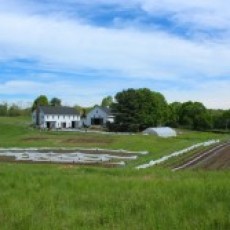
Wright-Locke Farm
About Wright-Locke Farm
This method of planting has been used for centuries and is still used at Wright-Locke Farm today. The Wright-Locke Farm is situated in an area with a deep Indigenous history. The Massachusett Tribe and Pawtucket people were the original inhabitants of the area and had an important relationship with the land. Contrary to colonial notions of untouched wilderness, these tribes actively stewarded the land. They burned woodlands to facilitate the growth of grass and understory plants to improve edible harvests and game hunting. The Massachusett and Pawtucket also planted crops including maize, beans, squash, Jerusalem artichokes, and tobacco in small and large fields. Agricultural practices rooted in Indigenous farming are still in use today, including natural fertilizing and companion planting. At Wright-Locke Farm, these practices are employed to maximize the benefits of the crops grown, just as the Massachusett and Pawtucket did centuries ago. Natural fertilizers such as herring are used to nourish the soil, and companion plants of corn, climbing beans, and squash are grown together to provide mutual benefits. It is only through these practices that the legacy of Indigenous farming can continue.
Programs
The classes, camps and experiences this business offers.

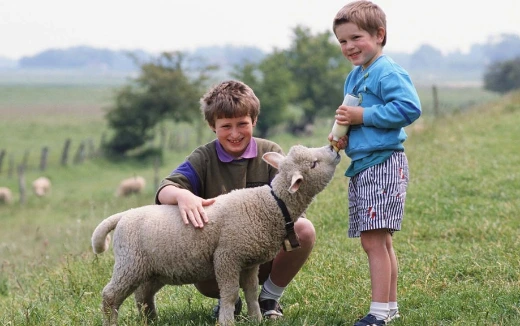
Reviews
We're all about trust — real reviews from real parents help other families decide with confidence.
Location & details
🗺️ 78 Ridge Street, Winchester, MA 01890 — open in Maps🎯 Activities
🏕️ Amenities
🧒 Who they support
🏷️ Discounts
Why request info through BeAKid?
- Free for parents — your request goes straight to the business.
- One place to track every activity, request and registration for your kids.
- Verified local businesses — real programs, real reviews from parents.
- Members unlock exclusive deals and coupons from local businesses.
Interested in Wright-Locke Farm?
Tell them what you're looking for — pricing, availability, ages. They reply to you directly.
🏢 Do you run Wright-Locke Farm?
Claim this free listing to answer parents directly, add photos, and manage your programs.