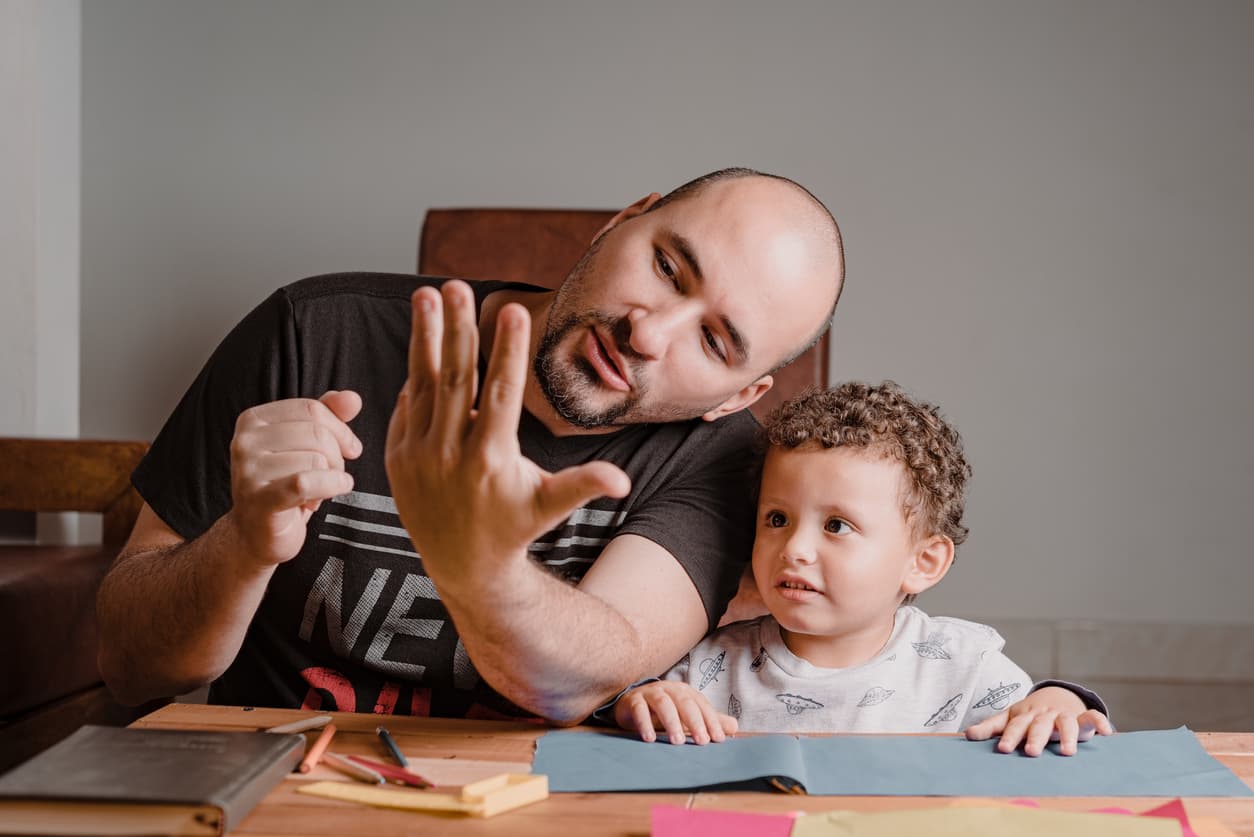
Sensory Play and Fine Motor Activities That Help Children Grow

Feeling the pressure to pick the “perfect” activities for your child while juggling work, schedules, and a tight budget can be exhausting. There are endless ideas online, but very few that explain what actually helps your child grow, what is realistic to set up, and how to move from “that looks fun” to something you can actually book this weekend.
What “right activities” really means for your child
Choosing the right activities is less about finding the trendiest option and more about matching three simple factors:
- Your child’s current stage of development
- Their temperament and interests
- The time, energy, and support you have available
For younger children, sensory play and fine motor activities do most of the heavy lifting for brain and body development. Instead of asking “What’s the best activity out there,” it helps to ask “What does my child need to practice right now, and what can I realistically support?” When those two answers line up, you have an activity that is not only fun, but sustainable for your family, and that is what “right” really looks like.
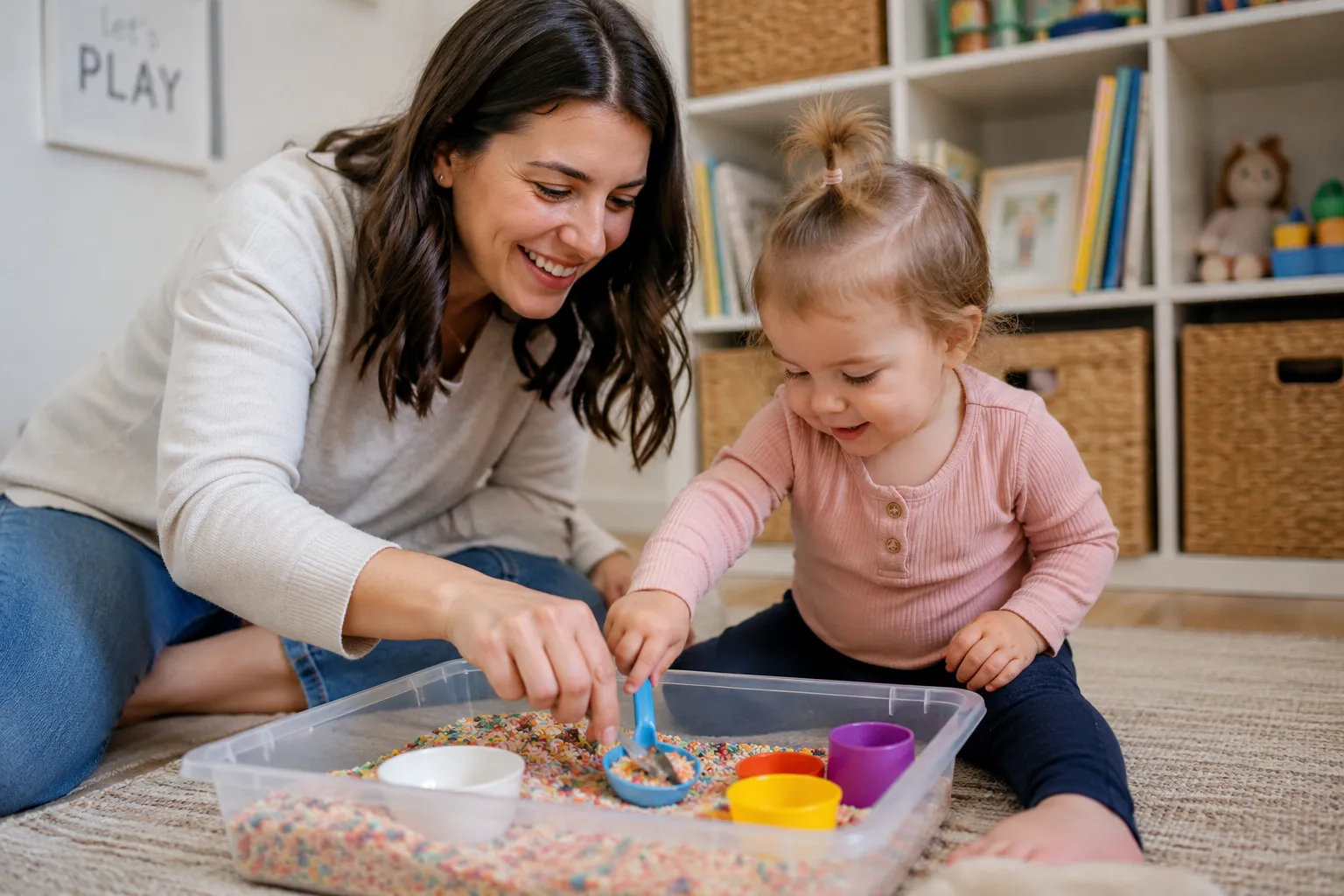
Benefits of sensory play for infants and toddlers
Sensory play means any activity that invites your child to use their senses to explore: touch, sight, sound, smell, and sometimes taste. It might look like pouring water between cups, squishing homemade playdough, or running fingers through a bin of rice.
Sensory experiences in the early years support brain development by building and strengthening neural connections.
For infants and toddlers, the benefits of sensory play include:
- Building early problem-solving as they test what happens when they scoop, pour, poke, or squeeze
- Supporting language development as you label textures, actions, and feelings out loud
- Helping emotional regulation because repetitive, hands-on play can be calming
- Laying foundations for fine motor skills through grasping, pinching, and transferring small items
At this age, the most important guideline is safety. For infants and young toddlers, use taste-safe and large, non-chokable materials, and stay within arm’s reach. As they grow, you can slowly introduce new textures and tools like scoops or child-safe tweezers that invite more precise movements.
Preschool activities that build fine motor skills
Preschool is when fine motor skills really start to matter for everyday tasks like using utensils, getting dressed, and eventually writing. Activities for fine motor skills for preschoolers do not need to be complicated or expensive. Simple, repeatable routines are powerful.
Preschool activities for fine motor skills can include:
- Threading: Large beads on pipe cleaners or pasta on string help fingers learn to coordinate small, controlled movements.
- Tearing and sticking: Tearing paper and placing stickers works the tiny hand muscles needed for scissor use and pencil grip.
- Tweezing and transferring: Using child-safe tweezers to move pom-poms or cotton balls between containers encourages pincer grasp.
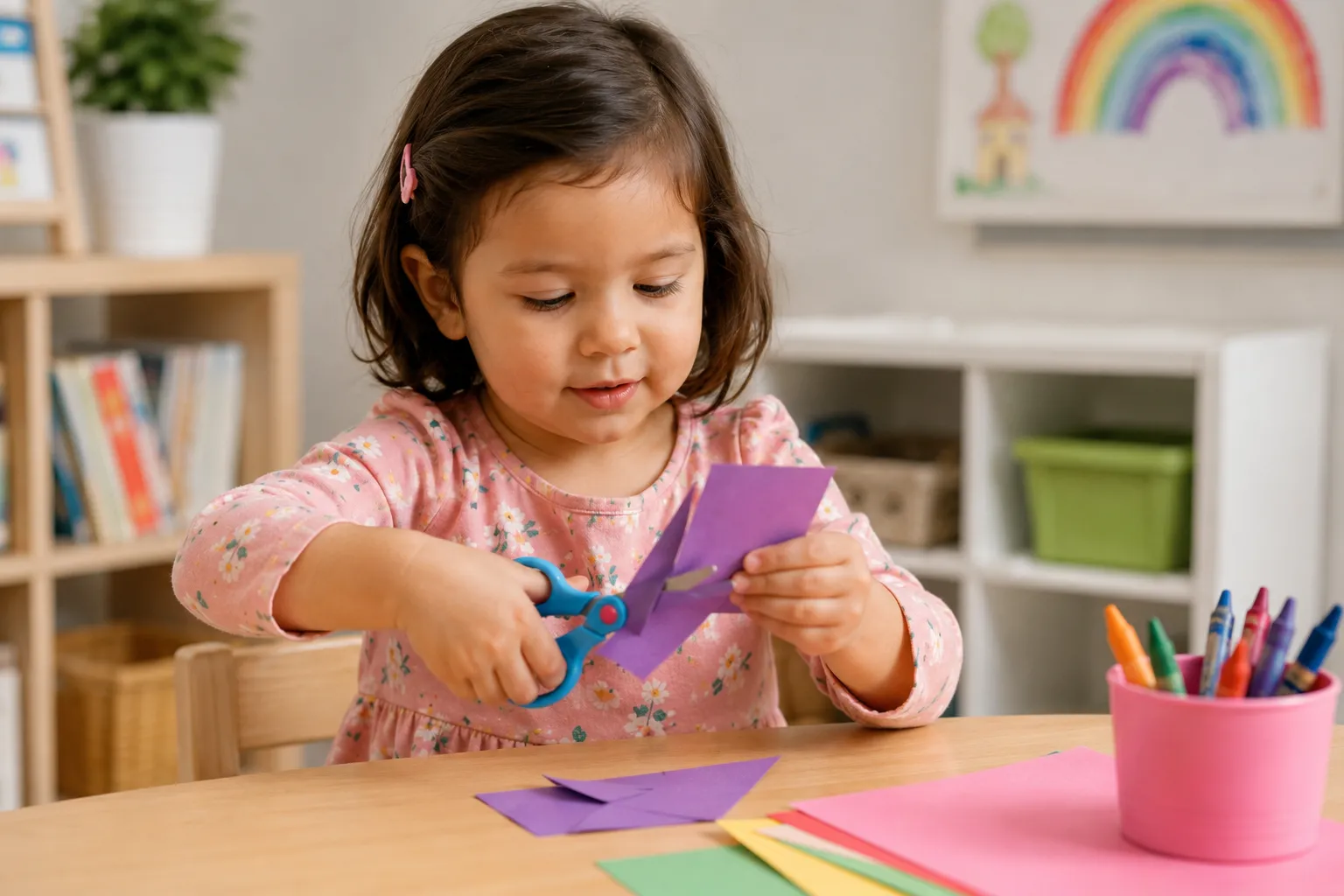
- Simple cutting: Cutting playdough “snakes” or thick paper strips is more forgiving than thin paper and builds confidence.
The main benefit of these preschool activities is that they turn everyday play into gentle practice for skills your child will need in school. Watching for signs of frustration instead of perfect results keeps the focus on progress.
Quick guide to homemade playdough for toddlers
Homemade playdough for toddlers is one of the easiest ways to combine sensory play and fine motor practice in a single setup. The texture invites squeezing, rolling, poking, and cutting, which all build hand strength.
Simple homemade playdough recipe
This basic, cooked recipe usually creates a soft, long-lasting dough. [FACT_CHECK_NEEDED]
Ingredients
- 2 cups flour
- 1 cup salt
- 2 cups water
- 2 tablespoons vegetable oil
- 2 tablespoons cream of tartar
- Food coloring (optional)
Steps
- Mix the dry ingredients in a pot.
- Stir in water and oil until combined.
- Cook over low to medium heat, stirring constantly, until the mixture thickens and pulls away from the sides.
- Remove from heat, let cool slightly, then knead until smooth.
- Divide and add food coloring if desired, kneading until color is even.
Once cooled, store in an airtight container. For toddlers who still explore with their mouths, keep the dough taste-safe and supervise closely, avoiding any added small decorations that could be swallowed.
Indoor vs outdoor activities for toddlers
Parents often wonder whether the best indoor activities for toddlers are “good enough” compared to outdoor play. Each environment supports different skills, and both matter.
Indoor activities make it easier to focus on controlled, hands-on experiences. Examples include:
- Sensory bins with rice, oats, or water
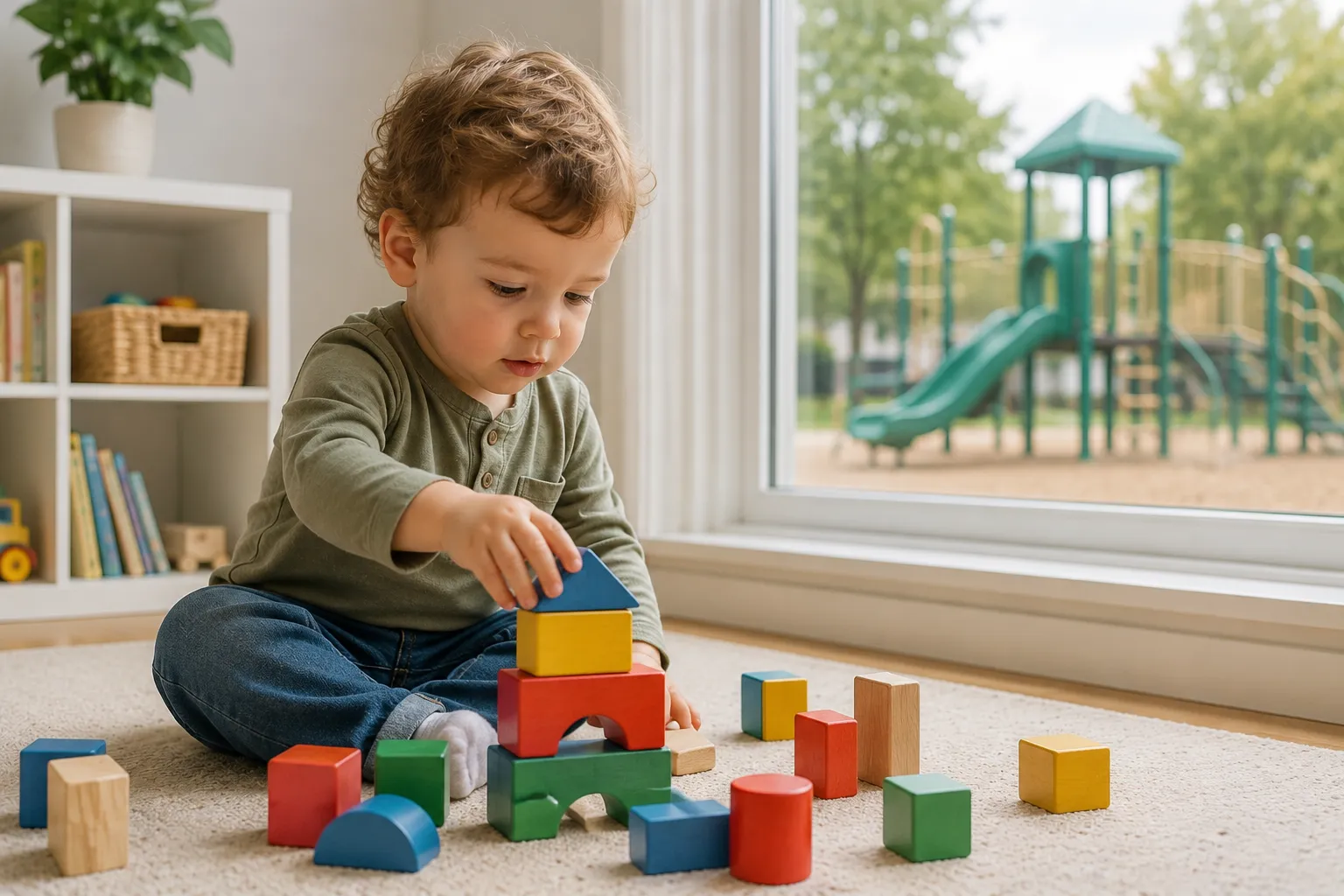
- Building with blocks or magnetic tiles
- Simple art invitations with large crayons or chunky paintbrushes
Outdoor activities add space, movement, and changing scenery. Even a short trip to a playground or backyard gives toddlers chances to climb, run, balance, and observe nature.
The core benefit of indoor play is predictability. You can control materials, noise level, and setup, which is helpful on busy days or when weather keeps you inside. Outdoor time brings variety and gross motor challenges. Switching between both across a week creates a balanced mix, even if most weekdays lean heavily indoor.
How to tell if an activity is really a learning activity for preschoolers
Many “learning activities for preschoolers” online are just crafts with extra steps. A simple way to check if an activity is truly supporting learning is to look at what your child is actively doing rather than how the final product looks.
An activity leans into learning when your child:
- Makes choices (which color, which tool, which way to solve the “problem”)
- Repeats actions in slightly different ways (pouring again, trying another path, testing another idea)
- Talks, asks questions, or shows focused concentration
You do not need to add worksheets or drills to make play educational. When preschoolers touch, move, talk, and experiment, they are already practicing early math, language, and scientific thinking. The benefit of calling something a “learning activity” is not to raise pressure, but to reassure you that everyday playtime is moving development forward.
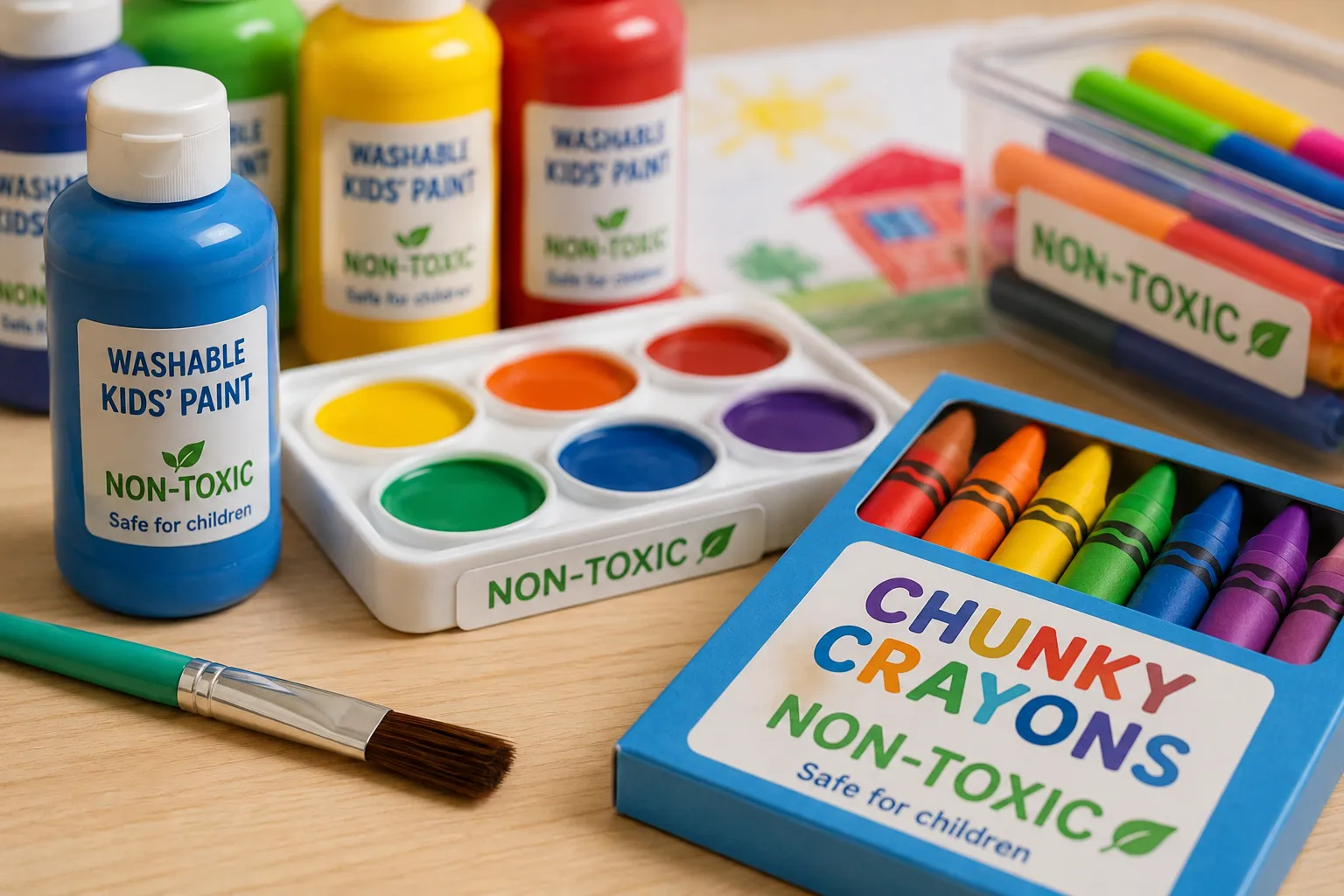
Are preschool art supplies non-toxic
“Are preschool art supplies non-toxic?” is a common and very reasonable question. Young children rub their eyes, put fingers in mouths, and explore vigorously, so materials need to be as safe as possible.
When choosing supplies, look for clear non-toxic labeling from reputable brands, ideally marked as appropriate for the age group you are shopping for. Water-based paints, washable markers, and large crayons are typically designed with young children in mind, but always read manufacturer guidance.
For toddlers and younger preschoolers, it can help to:
- Keep materials simple: plain paper, crayons, water-based paints, glue sticks
- Avoid tiny embellishments like glitter or sequins if they are likely to be mouthed
- Supervise closely and wash hands after art time
The main benefit of being picky about art supplies is peace of mind. When you trust what is on the table, you can focus on your child’s creativity instead of watching every move with worry.
How BeAKid helps you move from ideas to real activities
Even when you know the benefits of sensory play and fine motor practice, turning that knowledge into a weekly rhythm of activities can still feel like a part-time job. Searching, comparing, checking schedules, and managing sign-ups across multiple sites quickly drains the time you hoped to spend actually playing with your child.
BeAKid is designed to close that gap between “I know what my child needs” and “We are actually enrolled in something that fits.” On one platform, you can:
- Discover local sensory classes, art sessions, music groups, and movement programs filtered by age, interest, and schedule
- Compare program details and reviews in one place so you can feel confident about quality
- Book and manage registrations without chasing separate forms, emails, and payment links
Instead of starting from scratch each season, you can open a single platform, search for the kind of experience your child needs next, and make a decision in minutes rather than weeks.
FAQ
What are some learning activities for preschoolers that are easy to set up?
Simple activities can support strong learning when they invite children to explore and think. Examples include sorting buttons or blocks by color or shape, matching socks from clean laundry, building with blocks and talking about what is taller or shorter, or doing a “letter hunt” around the house to find objects that start with the same sound. The key is to let your child make choices and talk with you about what they notice.
How do I make homemade playdough for toddlers quickly if I do not want to cook it?
For a no-cook version, many parents mix flour, salt, cream of tartar, boiling water, and oil in a bowl until a dough forms. [FACT_CHECK_NEEDED] You still need hot water, but you avoid cooking on the stove. Another shortcut is a simple two-ingredient “cloud dough” made from cornstarch and conditioner, though this is not taste-safe and needs close supervision. Choose a recipe that fits your comfort level and always check ingredients for any allergies.
What are the benefits of sensory play for toddlers who do not like getting messy?
Not all toddlers enjoy messy textures, and that is okay. Sensory play can still be offered through “cleaner” options like scarves, blocks, water in a closed bottle, or smooth stones. The benefits, such as exploring cause and effect, building coordination, and practicing focus, still apply. Over time, gentle exposure to new textures at your child’s pace can also support flexibility and confidence.
How often should I plan activities for fine motor skills for preschoolers?
Fine motor practice does not need a rigid schedule. Many families find that including a few short opportunities each day works well, such as offering a quick threading activity, a few minutes of playdough, or encouraging your child to help with tasks like peeling a banana. When fine motor practice is woven into everyday life, it feels like play instead of another assignment.
Are indoor activities for toddlers enough if we do not have easy access to outdoor space?
Indoor activities can offer plenty of learning and development, especially when they include movement, problem-solving, and hands-on exploration. You can create simple obstacle courses with cushions, practice rolling and throwing soft balls, and use music for dancing. If you do not have regular access to outdoor space, occasional trips to community centers, indoor play spaces, or local programs listed on BeAKid can help round things out.
You do not need a perfect plan or a house full of supplies to find the right activities for your child. When you focus on simple sensory play, fine motor practice, and realistic routines that fit your life, everyday moments become powerful learning opportunities.
When you are ready to add more structure, you can layer in local classes, camps, and programs that align with what your child is ready to explore next. A platform like BeAKid makes it easier to move from ideas to action so you spend less time searching and more time watching your child grow.